Equipping children and youth with the knowledge and digital competence they need to thrive.
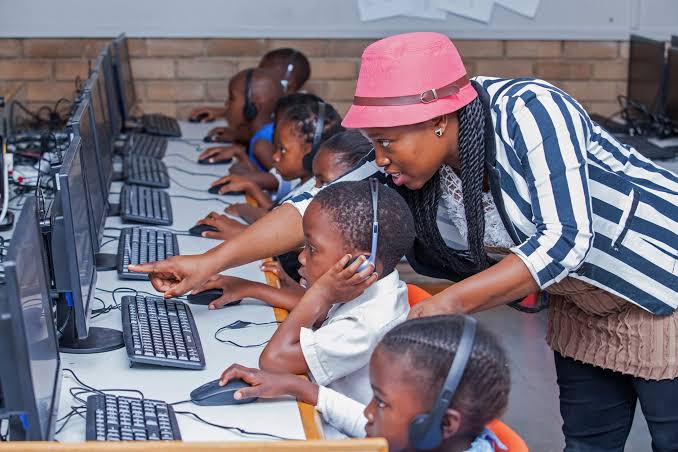
Education remains one of the most powerful tools for breaking the cycle of poverty. In Nigeria, millions of children still lack consistent access to quality learning. Many attend overcrowded classrooms with limited materials. Others drop out because families cannot afford basic school needs. Without strong foundational skills, young people enter adulthood unprepared for work, further study, or meaningful participation in society.
At the same time, the world is becoming increasingly digital. Jobs, communication, and opportunity now depend on the ability to use technology with confidence. Children and youth who never touch a computer are already at a disadvantage. Helping Hands for Better Life Initiative believes that every child deserves both a solid education and the digital skills required for the future.
The Education & Digital Skills programme exists to close critical gaps in learning and technology access for vulnerable children and young people. We focus on communities where educational resources are scarce, where girls are at higher risk of leaving school, and where digital exclusion is common.
Our purpose is practical and clear: to ensure that children can learn effectively, stay in school where possible, and gain the digital literacy that opens doors to further education, employment, and personal growth. We work with schools, community groups, and families so that support is relevant, sustained, and rooted in real need.
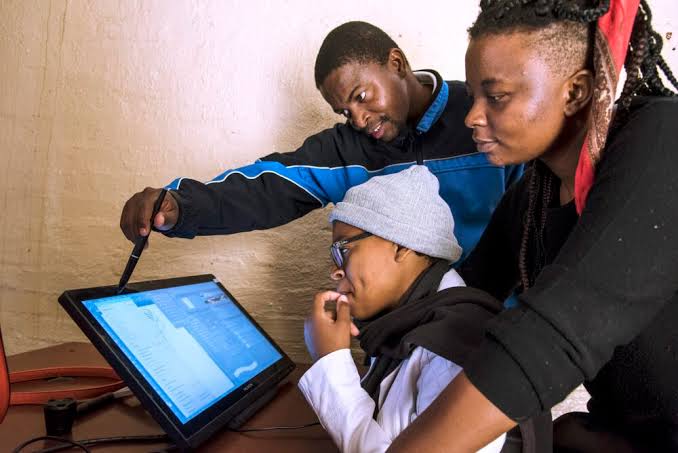
Through this programme, Helping Hands for Better Life Initiative provides learning support, educational materials, and structured digital skills training. We help children and youth develop reading, writing, and numeracy where foundational gaps exist. We introduce computers, basic software, internet safety, and practical digital tools in a way that is age-appropriate and accessible.
We also support teachers and facilitators with resources that improve the quality of instruction. Where possible, we create safe learning spaces and after-school sessions that give children extra time and attention. Our approach is hands-on. Learners do not only hear about technology — they use it. They write, explore, create, and build confidence through practice.
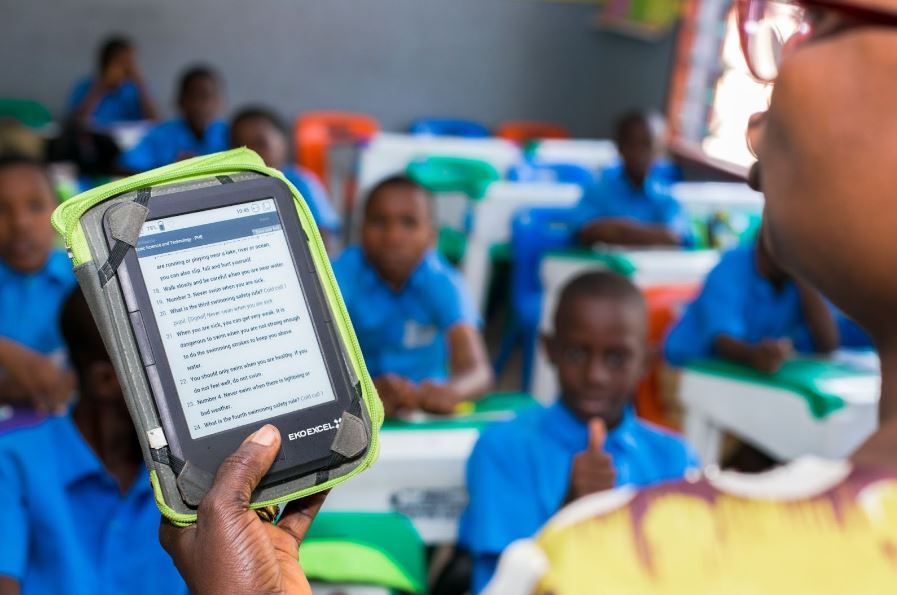
Digital skills are no longer optional. From applying for opportunities to accessing information and building careers, technology shapes daily life. Yet many children in Nigeria grow up without ever using a computer. This gap widens inequality. Those who can navigate the digital world move forward. Those who cannot are left behind.
By teaching digital skills early, we give children a fairer start. They learn how to type, search for information, create simple documents, and understand online safety. These abilities support their schoolwork today and their independence tomorrow. For older youth, digital training can lead directly to income-generating activities and further study.
This programme prioritises children and young people in communities with limited educational infrastructure. We pay particular attention to girls, children from low-income households, and learners who have fallen behind due to lack of support. We also welcome partnerships that help us reach more schools and community learning centres across Nigeria.
Helping Hands for Better Life Initiative is committed to education that is practical, inclusive, and sustainable. We do not treat learning as a one-off event. We aim to build habits, confidence, and systems that continue after our direct involvement. Every book, every training session, and every digital lesson is part of a larger goal: a generation of young Nigerians who can read, think, create, and compete with dignity.