Grassroots projects that strengthen communities and create lasting local impact.
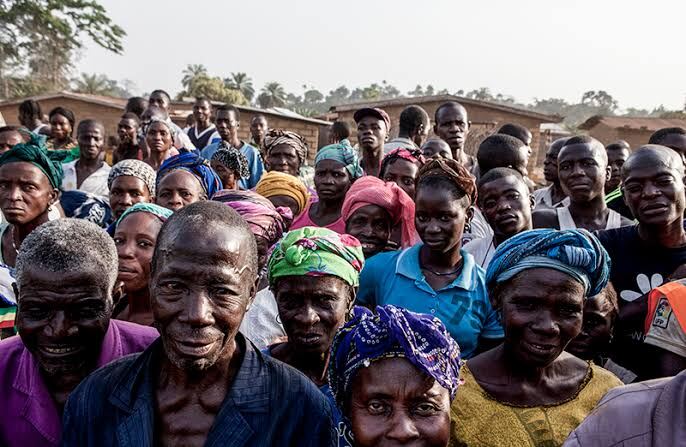
Lasting change does not happen to communities from the outside alone. It happens when people are involved, when local needs are understood, and when solutions are owned by those who will live with them every day. In many parts of Nigeria, communities face shared challenges: limited access to clean water, weak support systems for vulnerable children, and few structures that hold people together around common progress.
Community development addresses these shared needs. It strengthens the fabric of daily life — water points that serve whole neighbourhoods, support for orphanages and care homes, and projects that bring people together around dignity and mutual care. Helping Hands for Better Life Initiative works at this level because individual lives improve faster when the community around them is stronger.
The Community Development programme exists to build practical, grassroots solutions that improve shared life. We support access to clean water, strengthen care for vulnerable children, and partner with local people so that projects respond to real priorities rather than external assumptions.
Our purpose is sustainability. We prefer interventions that communities can maintain, adapt, and take pride in. Whether it is a water facility, support to a care institution, or a local mobilisation effort, we aim for results that outlast a single distribution or visit.
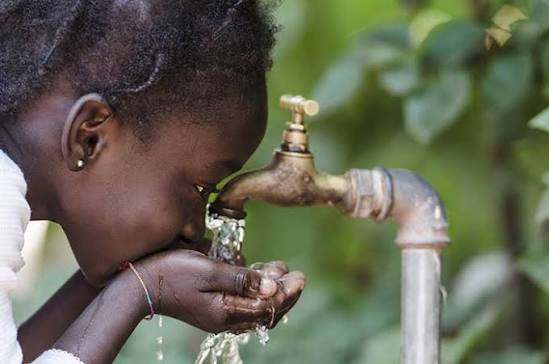
Clean water access — We support communities in gaining and using clean water facilities. Water is fundamental to health, hygiene, and dignity. When children and families can drink and wash from safe sources, disease falls and daily life improves.
Support for vulnerable children and care homes — We stand with orphanages and community care settings that look after children who need extra protection. This includes material support, partnership, and presence that affirms the value of every child in care.
Grassroots partnership — We work with community leaders, local groups, and residents so that projects are shaped by those who know the context best. Development that ignores local voice rarely lasts. Development that respects it can transform.
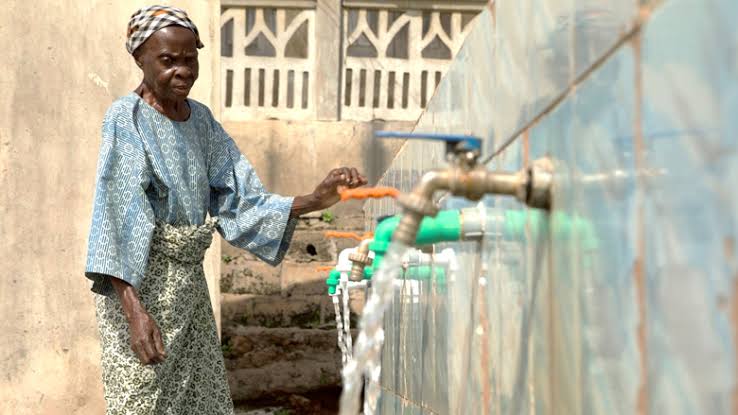
Clean water protects health. Care structures protect children who have nowhere else to turn. Both are expressions of community responsibility. A village with water but no support for its most vulnerable is incomplete. A care home without the backing of a wider community carries too heavy a load alone. Our programme holds these together: facilities that serve everyone, and special attention for those who need it most.
When communities see water flowing and children in care being supported, hope becomes visible. People begin to believe that progress is possible where they live — not only in distant cities or for other people’s children.
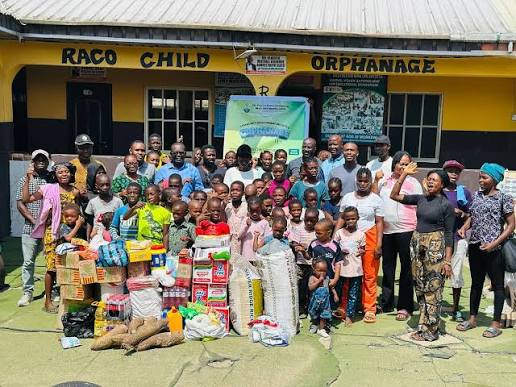
We listen before we act. Needs are identified with local input. Projects are designed to fit the context — culture, capacity, and priorities. Where we provide material support or help establish facilities, we also encourage local ownership so that benefits continue after our direct involvement ends.
Accountability matters. Communities deserve transparency about what is provided and why. Partners and donors deserve clear reporting. Children in care deserve dignity in every interaction. These standards guide how we show up in every community we serve.
This programme serves entire communities — families, children, elders, and local institutions — with particular attention to places where basic shared needs remain unmet. We prioritise underserved areas and care settings that protect vulnerable children. Community leaders, caregivers, and residents are not only beneficiaries; they are partners in the work.
Helping Hands for Better Life Initiative is committed to community-led progress. We will continue to support clean water, care for vulnerable children, and grassroots projects that strengthen the places people call home. Development that lasts is development that belongs to the community. That is the standard we hold ourselves to.